Your Cart is Empty


At a Glance: Oil-based paint cures to a hard, enamel-like finish but carries higher VOCs, a slower drying time, tougher cleanup, and a yellowing risk. Water-based paint cleans up with soap and water, dries faster, and holds color well. Waterborne alkyd and acrylic urethane paints sit in the middle, giving you an oil-like hard finish with lower VOCs and easy cleanup. The right paint depends on the surface, the room, and the order you paint in.
Oil-based vs water-based paint comes down to what carries the pigment and resin, how the paint hardens once it is on the surface, and what you clean it up with. Picking the right paint starts with knowing how each type of paint behaves.
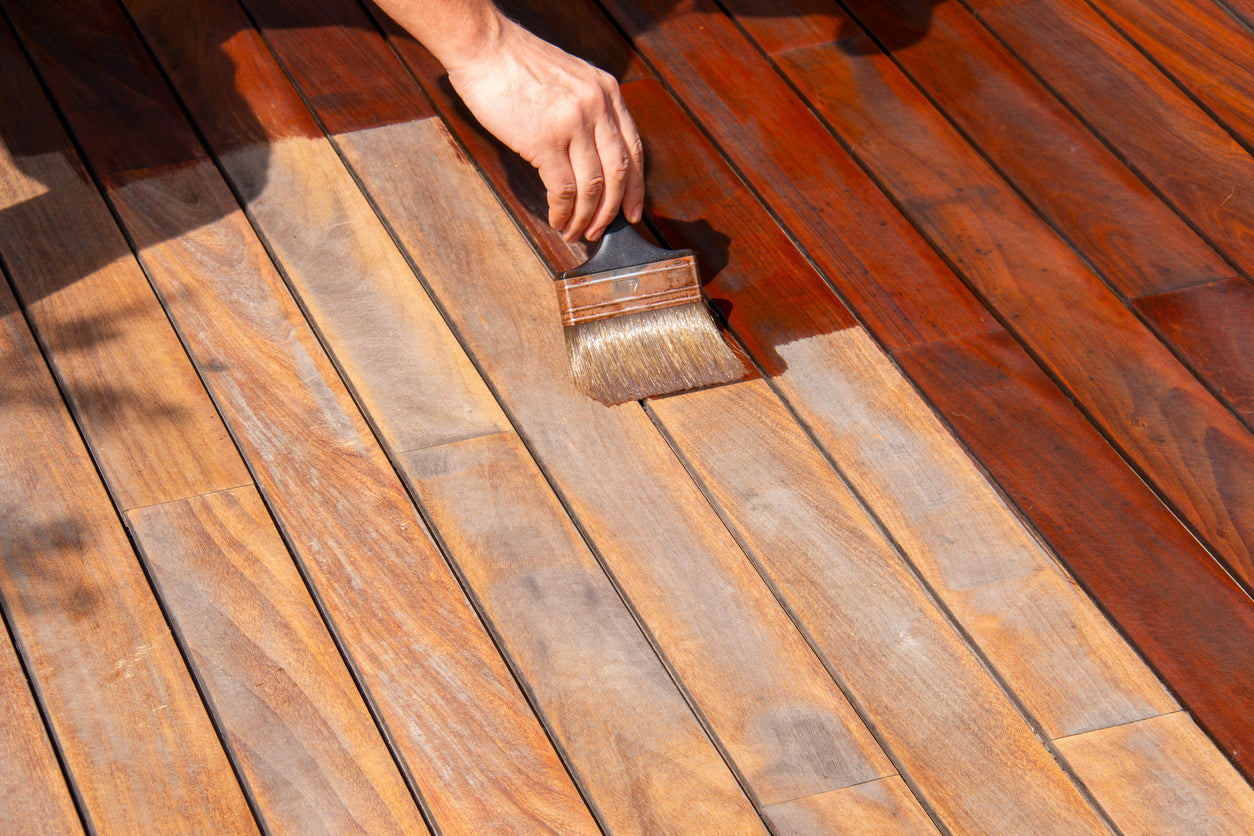
Oil-based paint. The pigment and resin are carried in a petroleum solvent rather than water. It dries slowly, hardening as it reacts with the air, and leaves a tough, glassy finish that stands up to scrubbing and handling. That slow dry is also why brush marks level out so well. The tradeoffs are a strong smell while it dries and cleanup that takes mineral spirits or paint thinner instead of a rinse in the sink.
Water-based paint. This covers latex paint and acrylic paint. The pigment and resin ride in water. It dries faster, cleans up with soap and water, and stays more flexible over time. Most interior walls painted today use a water-based product.
Waterborne alkyd and acrylic urethane. A newer middle category. These use alkyd or urethane resins, the kind tied to a hard oil-based enamel finish, but in a water-soluble formula. You get a harder cure closer to oil with the lower VOCs and soap-and-water cleanup of water-based paint.
The short version: oil cures hard but is slow and messy to work with, water-based is fast and friendly, and waterborne alkyd aims to give you the best of both.
We still sell oil-based paint at Clement's, but fewer customers reach for it than they used to. In recent years, several things have pushed it toward the back of the shelf.
Higher VOCs. Oil-based paint gives off more volatile organic compounds. That paint smell matters to anyone worried about fumes, indoor air quality, or breathing sensitivity, and the wet product can also cause skin irritation on contact.
Yellowing. Oil-based paint and traditional varnish can both shift yellow over time, even on a clean, correct application.
Harder cleanup. It will not wash off brushes and hands with soap and water. You need an organic solvent, and leftover product often counts as hazardous waste at disposal.
Slower drying time. It takes longer to dry between coats, which slows a project down.
Higher cost. Oil-based products often cost more than their water-based counterparts.
Limited availability. Air-quality rules have pulled a lot of solvent based paint and lacquer off the shelf. Many paint manufacturers have shifted their lineups, and in some states like California, a number of these products cannot be sold at all.
None of this makes oil-based paint "bad." It has become a more specialized choice. For a lot of everyday interior work, the drawbacks outweigh the payoff.
The biggest reason is how hard it cures.
Walk through an older home and run your hand along the original trim or a windowsill. That hard, glassy enamel paint coating is often oil-based. Once cured, it sets up tougher than many standard latex paints and lays down with very few brush marks.
Some modern latex can stay a little soft by comparison. On a humid day, or before the paint has fully hardened, you can sometimes press a fingernail into a latex finish and leave a mark. Oil-based enamel is known for setting up into a harder surface that resists the softer, tacky feel. Oil also bonds well to tricky spots, including lightly damp surfaces and chalky surfaces that have started to oxidize, which is one reason an oil-based primer still earns a place in the cabinet. For trim, window frames, doors, kitchen cabinets, and railings that get touched and bumped, that hardness is the draw.
Here is the part most paint comparisons skip.
You do not have to choose between an old-school oil finish and a softer latex one. Clement's carries waterborne alkyd and acrylic urethane paints that bridge the gap.Benjamin Moore ADVANCE is the one we reach for most. It is a waterborne alkyd enamel built to perform like oil paint in a water-based formula.
The trick is the resin. Alkyd resins are what give oil paint its hard finish. These newer products use a water-dispersible version of that resin, so you keep the hardness without the petroleum-based solvent baggage.
What that means for your project:
Cures to a hard, furniture-quality finish, closer to oil than to standard latex
Lower VOCs, even after tinting
A more user-friendly paint for people with asthma or sensitivity to fumes
Cleans up with water and soap, no specialty thinners required
Holds a clean sheen level on trim, kitchen cabinets, doors, and other surfaces where a hard finish matters
For kitchen cabinets and high-touch trim, this is usually the sweet spot: an oil-like surface you can actually live with during and after the job, with a finished result that shrugs off everyday wear.
A waterborne alkyd is not the automatic answer for every room.
It can still yellow when exposed to ammonia, which makes it a weak fit for kitchens and bathrooms where cleaning products, humidity, and steam are part of daily life.
It can also turn yellow in low light. Benjamin Moore's own product data notes that ADVANCE yellows less than conventional alkyds, but a slight amount can still happen, and the effect speeds up in dark or poorly ventilated areas and shows more in lighter colors. So a hard, water-based alkyd finish is not maintenance-free. A closet, the back of a pantry, a dim hallway, or a spot blocked by a large picture frame can all age differently than a sunlit room.
The point is to match the product to the room, not just to the surface.
This one trips up plenty of DIYers and even some pros.
Do not coat your trim with a waterborne alkyd and then paint the walls with standard latex afterward.
Latex wall paint releases a small amount of ammonia as it dries. If your fresh alkyd trim is still curing nearby, that off-gassing can push the trim toward yellow. Paint the walls first, let them dry, then come back and finish the trim with your alkyd product. The order matters more than people expect.
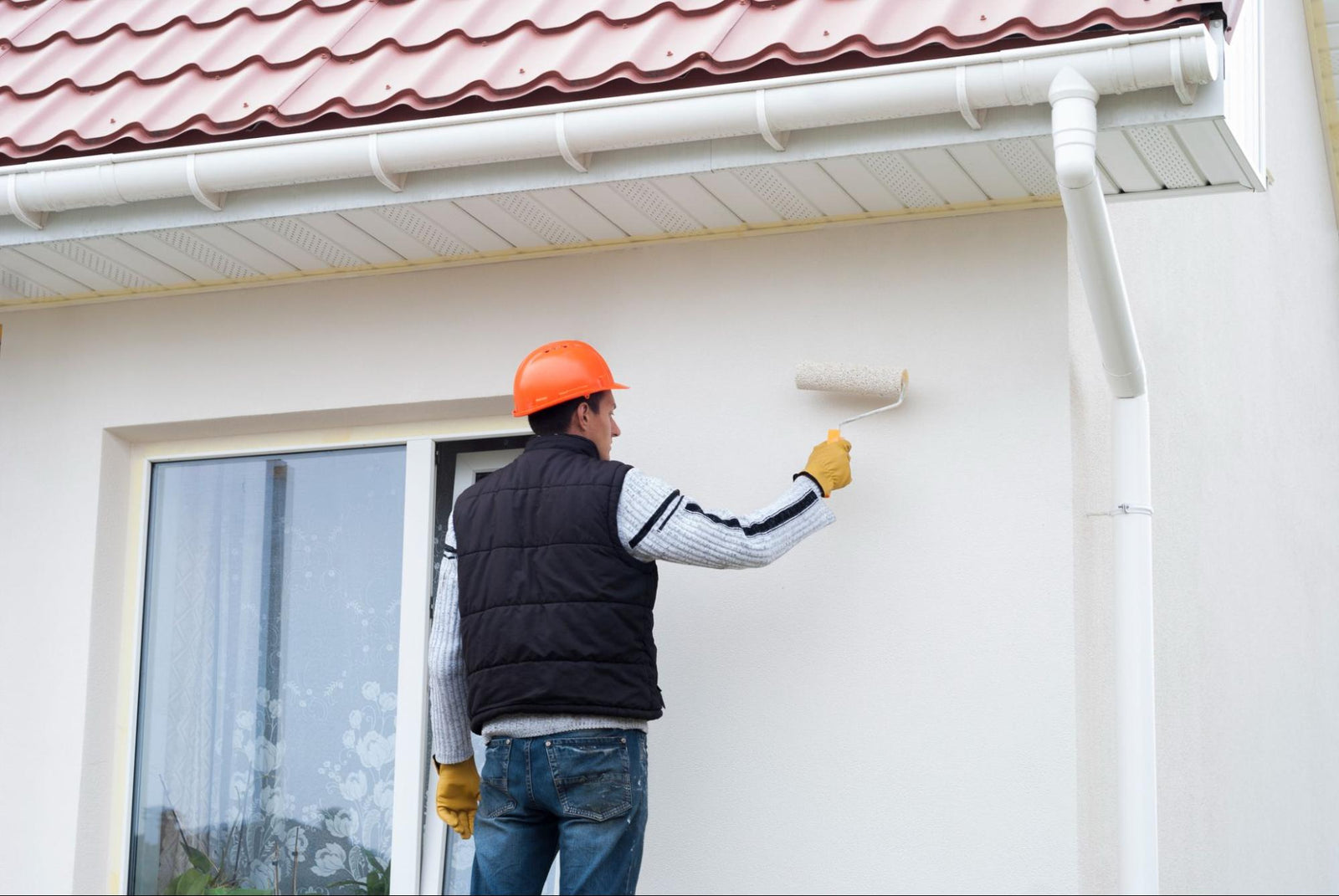
Exterior work adds a factor that interior walls never deal with: weather.
Outside, a finish faces UV rays, rain, humidity, and the kind of extreme temperatures that make a surface expand and contract all year. Here is how the two compare under those weather conditions.
Water-based exterior paint. Modern acrylic products flex with the surface as it moves, which helps them resist cracking through seasonal swings. They also offer excellent resistance to fading from UV light, so colors hold their look over years of sun.
Oil-based exterior paint. It lies down hard and smooth, but the same hardness that looks great indoors can work against it outside. Over time, sun and adverse weather conditions can leave an oil finish brittle and prone to a chalky surface as it oxidizes.
For most exterior surfaces facing real weather conditions, a quality water-based or waterborne alkyd product is the easier pick. Oil still has a role on specific surfaces where its bond and hardness matter more than long-term sun resistance.

Putting water-based paint straight over old oil-based paint. A glossy layer of existing paint needs a scuff sand and the right primer, or the new coat will not bond.
Using a waterborne alkyd in a kitchen or bath and expecting no yellowing. Ammonia and steam work against it.
Painting latex walls after alkyd trim. Covered above, but worth repeating because it is easy to get backward.
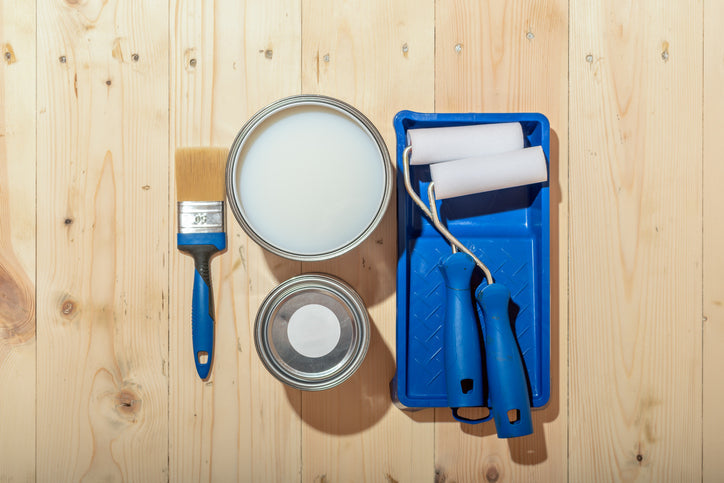
Using the wrong brush. Natural bristles are made for oil. For water-based paint, reach for a synthetic brush so the bristles do not swell and drag.
Rushing the cure. Alkyd finishes keep hardening for days, sometimes up to 30, after they feel dry. Returning a cabinet or shelf to heavy use too soon can mar the finish.
Disturbing old lead paint. Homes painted before 1978 may have lead paint underneath. Sanding or scraping it is a health hazard, so test first and follow safe practices.
Skipping ventilation with oil-based products. Higher VOCs and a strong odor mean you want airflow and, when needed, a respirator.
Before you recoat existing trim or a door, find out what is under there. Oil and water-based paint do not always bond to each other without prep.
A quick rubbing alcohol test works on most painted surfaces:
Dampen a cotton ball or rag with rubbing alcohol.
Rub a small, hidden spot.
If paint color lifts onto the cotton, the existing paint is water-based.
If nothing comes off, it is likely oil-based.
Once you know what is on the surface, you can pick the right paint and primer for the job. Over a sound oil finish, a bonding primer likeSTIX lets you switch to water-based paint. Over bare or porous spots, an oil-based primer or a quality latex primer sets the foundation, depending on the topcoat you plan to use.

Picking between oil-based and water-based paint gets easier with someone who works with both every day. Clement's Paint has been doing exactly that since 1986.
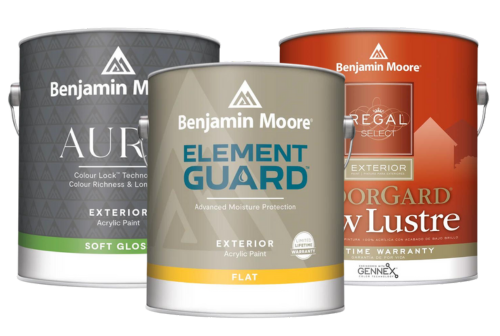
We are Austin's oldestBenjamin Moore dealer, and we stock every type of paint for the job: oil-based paint, water-based latex and acrylic paint, and waterborne alkyd options likeADVANCE, from paint brands we trust. We also carry theprimers and supplies to prep it right. For weekend DIY projects or a whole-house repaint, we can point you to the right paint and the right approach.
If you want a hand with color, we offercolor consultations, and if you would rather hand the work to a pro, we can connect you with apainter from our network. Stop by one of ourAustin or Marble Falls locations to see finishes in person and talk through your project.
If you want help with color, we can connect you with a design professional forexpert color consultation. We leave the brushwork to the pros and can refer you to atrusted professional painter for the application. Stop by one of ourAustin or Marble Falls locations to see finishes in person and talk through your project.
For most interior work, yes, and often better. Water-based paint has a shorter drying time, cleans up easily, and holds color without yellowing. Where oil once had a clear edge in hardness, a waterborne alkyd now closes most of that gap.
Yes, with prep. Scuff and sand the glossy oil surface and use a bonding primer so the new water-based coat grips. Skip that step, and the fresh paint can peel.
It is a water-based paint that uses alkyd resin, the same family of resin behind oil paint's hard finish. You get an oil-like cure with lower VOCs and soap-and-water cleanup. Benjamin Moore ADVANCE is a common example.
Oil-based paint, oil-based enamel, and traditional varnish can all yellow over time, especially in low light, near heat, or around ammonia-based cleaners. Lighter colors show it most. Switching to a water-based product in those spots can help.
Yes. Quality acrylic exterior paint flexes with the surface and gives excellent resistance to uv rays, so it handles sun, rain, and shifting weather conditions well. That flexibility is a big reason it has largely replaced oil on exterior walls and window frames.
It does. It is still valued for an exceptionally hard enamel finish and for matching or repairing existing oil-painted surfaces. It has become a more specialized pick as water-based and alkyd products have caught up.


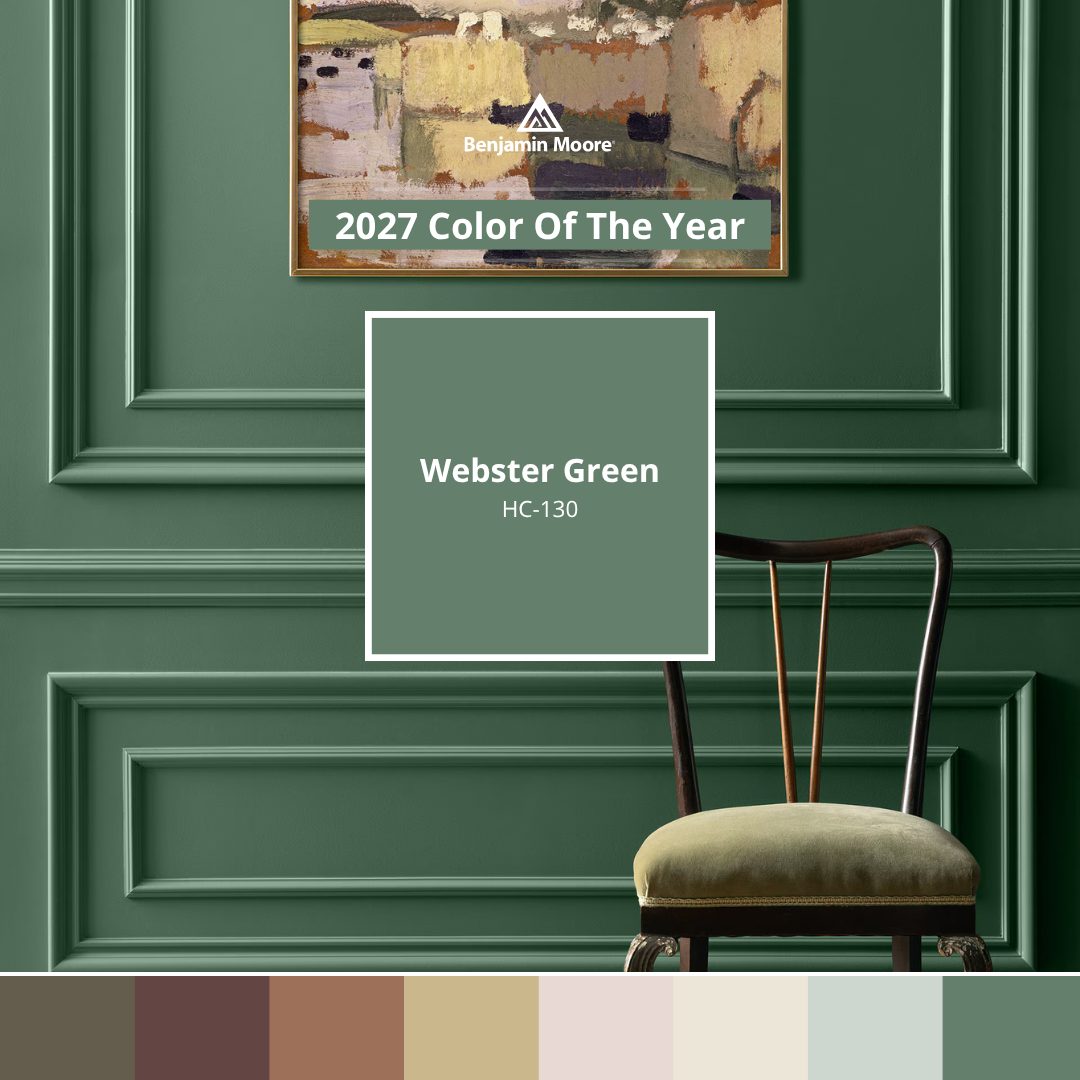
For 50 years, Benjamin Moore's Historical Color Collection has brought the character of 18th- and 19th-century design into modern homes. From the quiet confidence of Stonington Gray to the bold statement of Heritage Red, these are the shades that never go out of style. Take a look back at where the collection began, and discover the ten colors still shaping homes today.