Your Cart is Empty


At a Glance:Stain soaks into wood and shows the grain pattern. Paint forms a film on top of the wood and hides the grain. Solid stain sits in the middle, penetrating the wood like stain while hiding the grain like paint. The right choice depends on the surface, the look you want, and how much protection the wood needs.
Stain and paint do two different jobs on exterior wood. Picking the right one starts with knowing how each behaves on the surface.
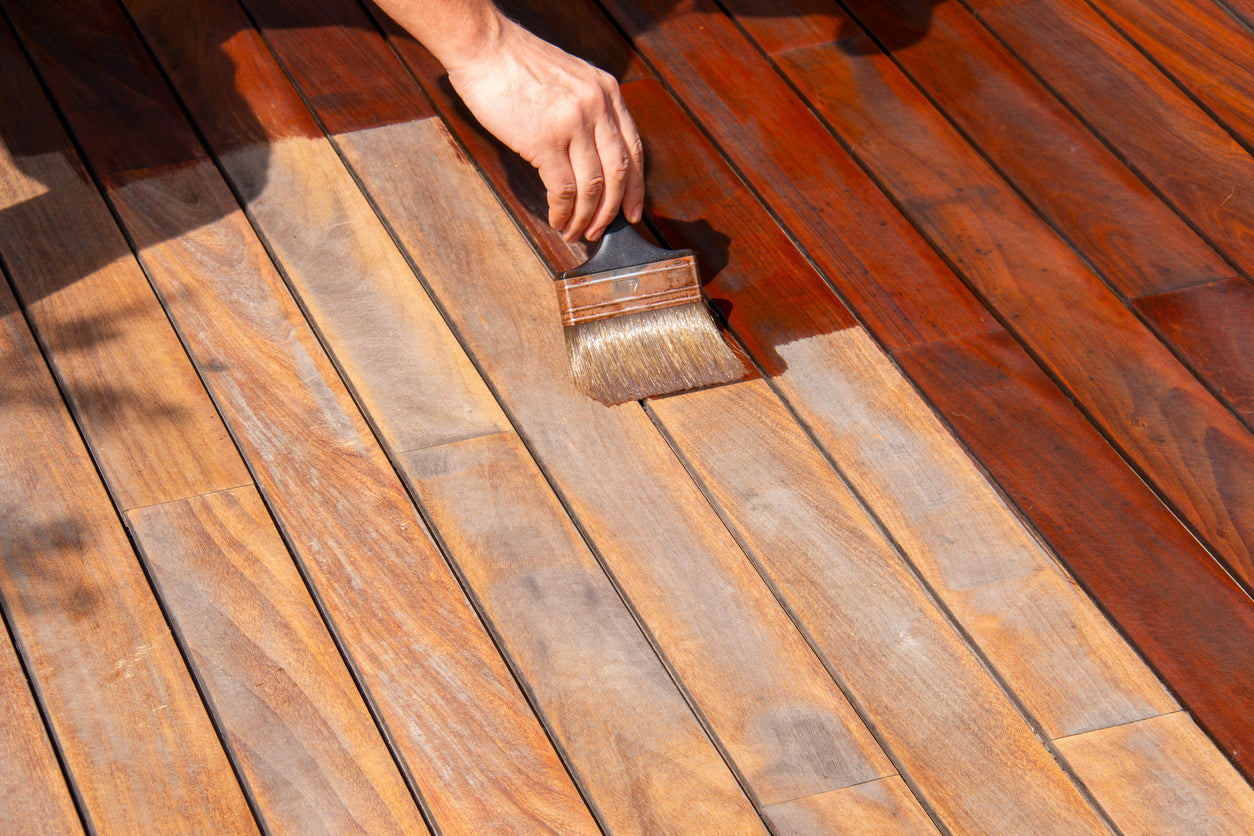
Traditional Stain. A wood stain soaks into the grain and bonds with the wood fibers. The stain soaks in deep enough to color the wood without forming a thick layer on top. The grain pattern stays visible, and the wood finish reads as natural.
Solid stain. A solid stain also soaks into the wood, but it carries enough pigment to hide the grain entirely. The result is a solid color finish that protects the wood like paint does, without forming a film that can peel.
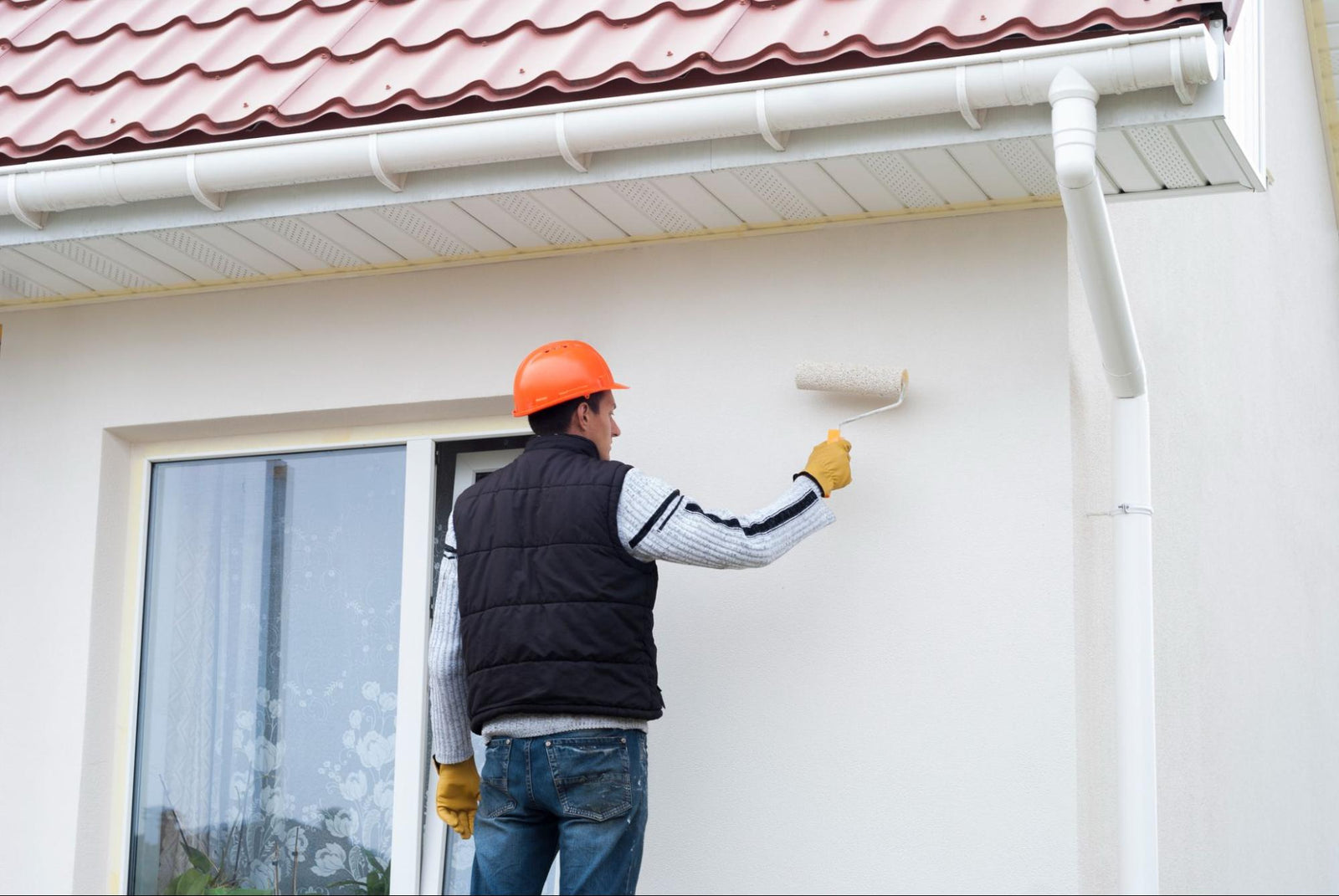
Paint. A coat of paint sits on top of the wood as a film. It hides the grain entirely and gives a solid color across the whole surface. Paint can be latex paint, acrylic paint, or oil-based paint, and each handles weather a little differently.
The short version is that traditional stain works with the wood and shows the grain, paint covers the wood with a film on top, and solid stain sits in the middle by penetrating the wood while still hiding the grain. Those differences shape everything else.
Traditional stain is the better option when you want natural wood tones and grain visible on the finished surface.
Common projects where traditional stain wins:
Decks and deck railings where you want the wood grain visible
Wood fences
Cedar or redwood siding
Wood furniture for outdoor use
Pergolas, gazebos, and other architectural wood
A few reasons traditional stain works for these uses:
It lets the wood breathe. Trapped moisture is the main reason finishes fail outdoors.
It shows off the natural color and grain pattern of the wood, which solid stain and paint cannot.
It is often a faster DIY project than repainting.
The trade-off is shorter time between coats. Transparent and semi-transparent stains need a refresh more often than paint or solid stain.
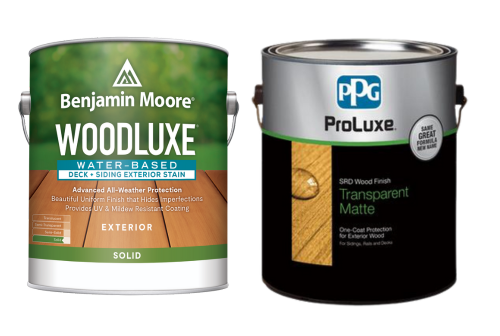
Solid stain sits between traditional stain and paint. It hides the grain and protects the wood like a floor-grade paint, but it penetrates the wood instead of forming a film on top.Benjamin Moore Woodluxe Solid is a water-based example that works on both vertical and horizontal surfaces without needing a primer.
Good fits for solid stain:
Highly weathered wood with knots, imperfections, or visible wear
Previously stained wood that needs a full-coverage refresh
Wood siding or fences where you want a solid color but better moisture handling than paint
Decks where paint would peel under foot traffic
Why solid stain earns its place:
Full hide and wood protection, similar to a floor-grade paint
Strong adhesion that wears down over time instead of cracking or peeling
No primer needed in most cases, vertical or horizontal
Easier and safer for DIYers than working around paint film prep and recoat issues
The trade-off is that you lose the natural wood look. If grain visibility matters, transparent or semi-transparent stain is the better call.
Paint is the right choice when you want a solid color, full color flexibility, or a finish on wood that has already been painted.
Good fits for paint:
Painted wood siding, like clapboard or board and batten
Exterior trim and fascia
Exterior doors
Shutters
Wood that has already been painted
Why paint earns its place here:
More color flexibility. Paint comes in any paint color you can imagine.
The standard finish for trim, doors, and other accent surfaces where you don't want any wood character showing through.
Longer recoat intervals when the prep work is done right.
The catch is that paint forms a film. That film is what gives full coverage and UV protection. It is also whatpeels or cracks if moisture sneaks in behind it, which is why paint is a poor pick for decks and other high-wear horizontal surfaces.

|
Traditional Stain |
Paint |
|
|
Look |
Shows wood grain |
Solid color, hides grain |
|
How it works |
Soaks into bare wood |
Sits on top as a film |
|
Application process |
Self-leveling, forgiving |
Requires more even technique |
|
Recoat interval |
Shorter |
Longer |
|
Maintenance |
Clean and reapply |
Often requires scraping or priming |
|
Reversibility |
You can paint over stain |
Hard to switch back to stain |
Not all stain looks the same.Opacity is the amount of pigment in the stain, and it controls how much of the wood grain shows through.
Clear. No pigment, just sealer. Full grain visibility. Shortest lifespan because there is no pigment to block UV.
Transparent. A small amount of pigment. Wood grain stays mostly visible. Slightly more UV protection than clear.
Semi-transparent stain. More pigment than transparent, with partial grain visibility. A semi-transparent finish is one of the most popular picks for decks and fences.
Semi-solid.Heavier pigment, grain still visible but muted. Sits between stain and paint.
Solid stain. The most pigment of any stain level. Hides the grain almost entirely while still penetrating the wood. A good pick for older wood or wood that has already been stained solid.
The higher the opacity, the more UV protection and the longer the time between coats. The trade-off is less of the natural wood look.

Some of the most common mistakes on an outdoor project come down to skipping prep or picking the wrong product for the surface.
Painting cedar or redwood without sealing tannin bleed. The natural oils in these woods can stain through paint without the right primer.
Using clear stain on a fully sun-exposed surface.UV breaks down clear finishes faster than pigmented ones.
Painting a deck.Deck paint tends to peel under foot traffic. Traditional stain or solid stain holds up better, depending on whether you want the grain visible.
Skipping cleaning and prep. Old finish, dirt, or mildew underneath will cause the new coat to fail early.
Mixing oil-based stain with water-based topcoats. Compatibility matters. Check the product can before layering.
Applying stain or paint in direct sun or before rain. Wood needs to be in optimal condition (dry, clean, moderate temperature) for the curing process to work.
Before you pick stain or paint for a recoat, check what is already on the surface. The wrong product over the wrong existing finish will not bond.
A quick water test works for most surfaces:
Sprinkle water on the wood.
If the water beads up, there is a sealer, paint film, or solid stain on the surface.
If the water soaks in, the wood is bare or has a penetrating stain only.
You can also look for visible signs. Film, peeling, or shine usually means paint or solid stain. Matte color with visible grain pattern usually means transparent or semi-transparent stain.
If the wood needs to be sanded before recoating, grit sandpaper between 80 and 120 is a good range for most exterior wood. Always wipe away dust before applying anything.
Stain and paint both need clean, sound wood underneath. Two coats of either product will not save a bad prep job.
A few prep basics:
Wash the surface and let it dry fully. Most exterior products need bare wood at a specific moisture level before application.
Sand any rough or peeling spots smooth.
Apply a thin coat first when working with stain. Heavy first coats can blotch.
For paint, two coats is the standard for full coverage.
Picking between stain and paint gets easier when you have someone who knows exterior wood inside and out. The team at Clement's Paint has been doing exactly that since 1986.
Clement's is Austin's oldestBenjamin Moore dealer. We carryBenjamin Moore Woodluxe, their exterior wood stain line available in multiple opacity levels, along with a full lineup ofexterior paints &stains. We also stock the prep supplies and sundries you need to get the project done right.
If you want professional color guidance, we can connect you with design professionals who offercolor consulting services. The painting itself is best left to the pros, and we have a network of professional painters we can connect you with. Stop by one of ourAustin or Marble Falls locations to look at samples and talk through your project.
Yes, with proper prep and a primer that bonds to the existing stain. Solid stain is easier to paint over than transparent or semi-transparent stain, since there is more film for the paint to grip.
Not without stripping the paint first. Stain has to penetrate bare wood to bond. Painting over a stained surface is much easier than going the other direction.
Not quite. Solid stain hides the grain like paint does, but it still penetrates the wood instead of forming a thick film on top. That makes it less likely to peel than paint, while giving you a similar solid color look.
It depends on the opacity level and how much sun and water the deck takes. Clear and transparent finishes typically need a refresh every 1 to 2 years. Semi-transparent stain lasts 2 to 3 years. Solid stain can go 4 to 5 years or more.


For 50 years, Benjamin Moore's Historical Color Collection has brought the character of 18th- and 19th-century design into modern homes. From the quiet confidence of Stonington Gray to the bold statement of Heritage Red, these are the shades that never go out of style. Take a look back at where the collection began, and discover the ten colors still shaping homes today.